The Observers of the Ancient Times
The captivating history of astronomy stretches across millennia, encompassing the contributions of diverse civilizations. When we speak of ‘ancient astronomy,’ we often refer to a period concluding in the fifth century. Yet, as we journey further back in time, the nature and abundance of available sources for studying this history undergo dramatic transformations.
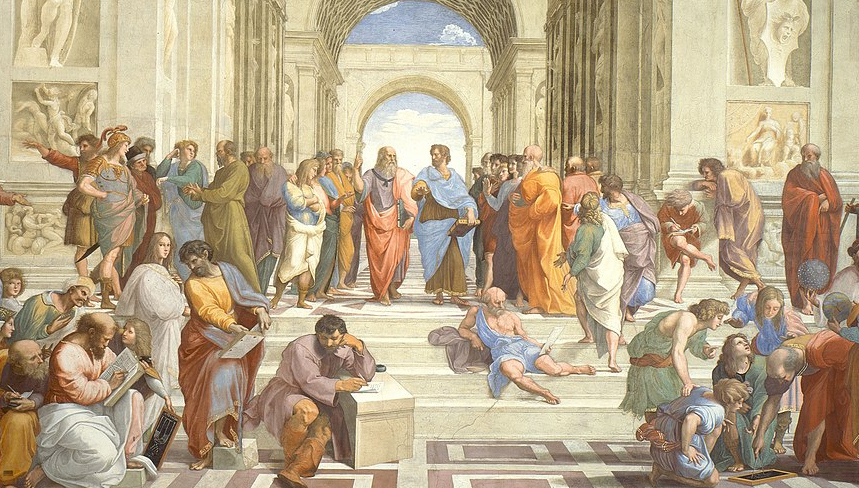
In certain instances, our understanding of ancient astronomy relies solely on archaeological artifacts that offer tantalizing glimpses into the knowledge of early astronomers. From other civilizations, we are fortunate to possess a limited trove of written materials that provide invaluable insights into the scientific endeavors of antiquity. However, for most ancient cultures, our understanding of their astronomical knowledge is pieced together from scattered and indirect evidence. In essence, reconstructing the history of ancient astronomy can feel akin to assembling an enormous jigsaw puzzle with only a handful of pieces.
In this series of articles, we have carefully selected specific topics and notable figures to provide our readers with a window into the fascinating world of ancient astronomy. Our aim is not to craft an exhaustive account of ancient astronomical history but rather to inspire and engage our readers by highlighting key developments and influential figures from this remarkable era. By doing so, we hope to ignite your curiosity and encourage further exploration into the captivating realm of ancient astronomy.
This article is contributed by Sajjad Nikfahm Khubravan