Samarqand Observatory
Ulugh Beg (d. 1449) the grandson of Tamerlane (d. 1405) visited the remnant of the Maragha observatory at a young age. This event inspired Ulugh Beg to pursue his passion for the science of the heavens. Later when he was appointed as the ruler of the Transoxiana, the scholarly atmosphere of his capital, Samarqand, had everything that someone like Ulugh Beg needed to pursue his interests. Moreover, his parents Shahrukh (d. 1447) and Gawharshad (d. 1457), who are famous for their patronage of science education, by establishing scientific institutions throughout the Timurid empire, had an important impact on his early education.
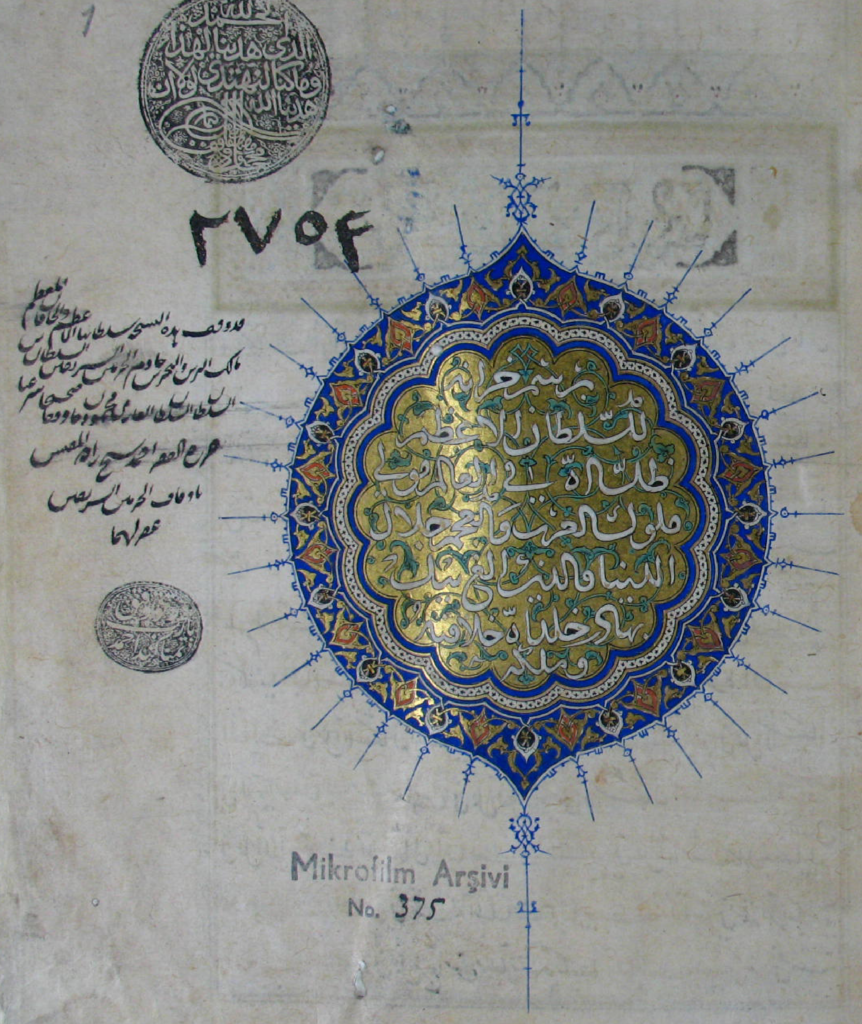
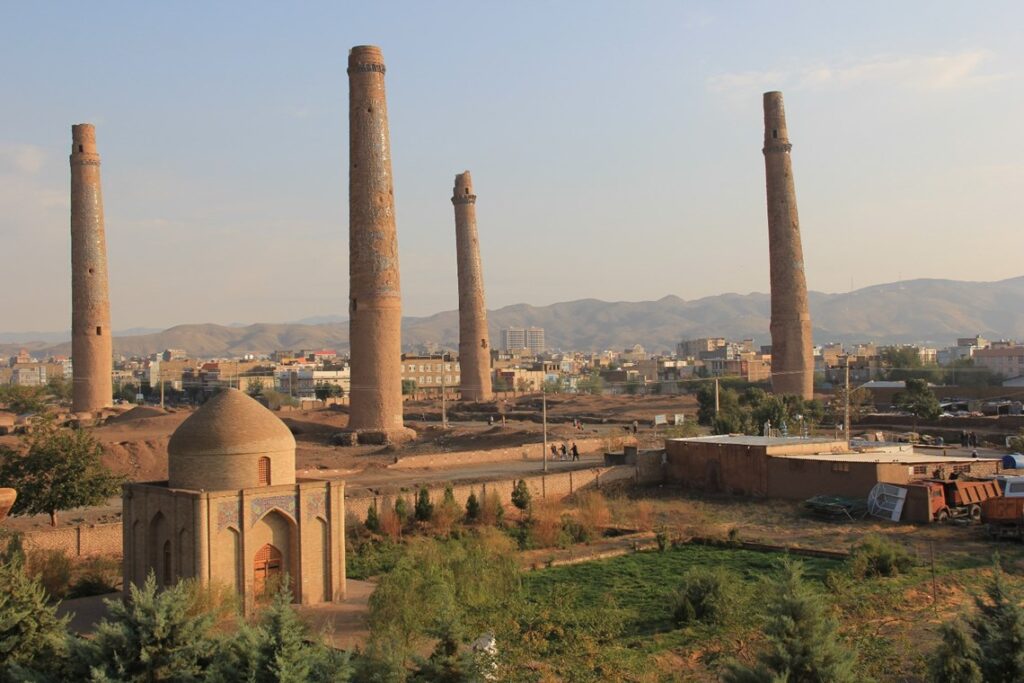
Musalla complex in Herat. The construction of this complex that had several schools and other cultural centers was commissioned by Gawharshad the mother of Ulugh Beg (Credit: UNESCO)
When Ulugh Beg was in his twenties, he started to think about his ambitious project: constructing a new observatory. Eventually, the establishment of the observatory started in 1420 in Samarqand.
The Arc of Samarqand Observatory
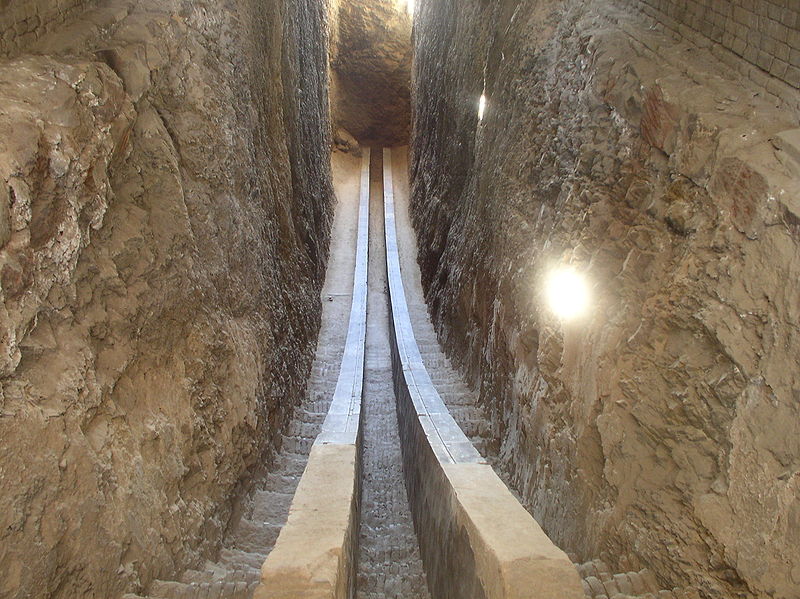
Major scholars of the time like Qāḍīzāda al-Rūmī (d. c. 1440) and Ghiyāth al-Dīn Jamshīd al-Kāshī (d. 1429), and later, ʿAlī al-Qūshjī (d. 1474) were part of the observatory team. As the main designer of the instruments in the observatory, Kāshī arranged the construction of an arc of one sixth of a circle the height of which reached 40 meters. Due to the huge size of the arc, part of it was constructed underground to avoid an unmanageably tall building.
What was the Arc?
This arc was a part of a huge instrument for measuring the altitude of the meridian passage of the Sun at different times of the year as precisely as possible.
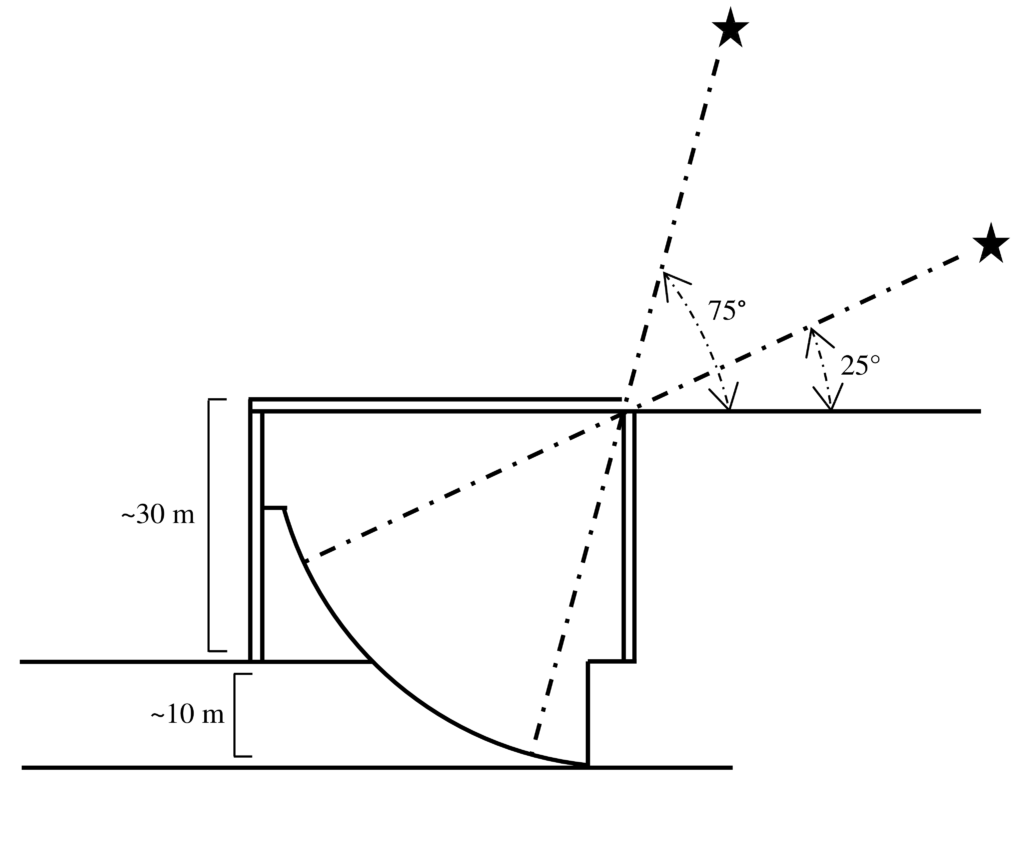
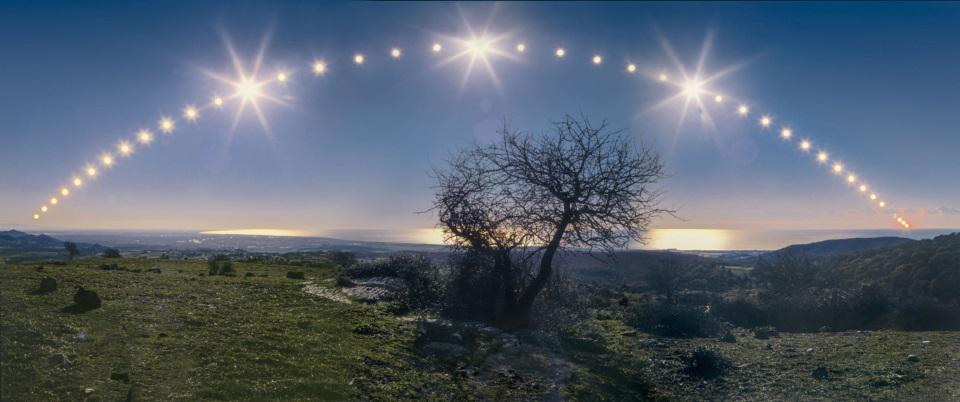
Using the data obtained from this instrument, astronomers were able to calculate the obliquity of the ecliptic to the celestial equator, which was one of the fundamental parameters in astronomy. In addition to this, they were able to calculate the local terrestrial latitude, which was again a fundamental parameter for practical astronomical calculations.
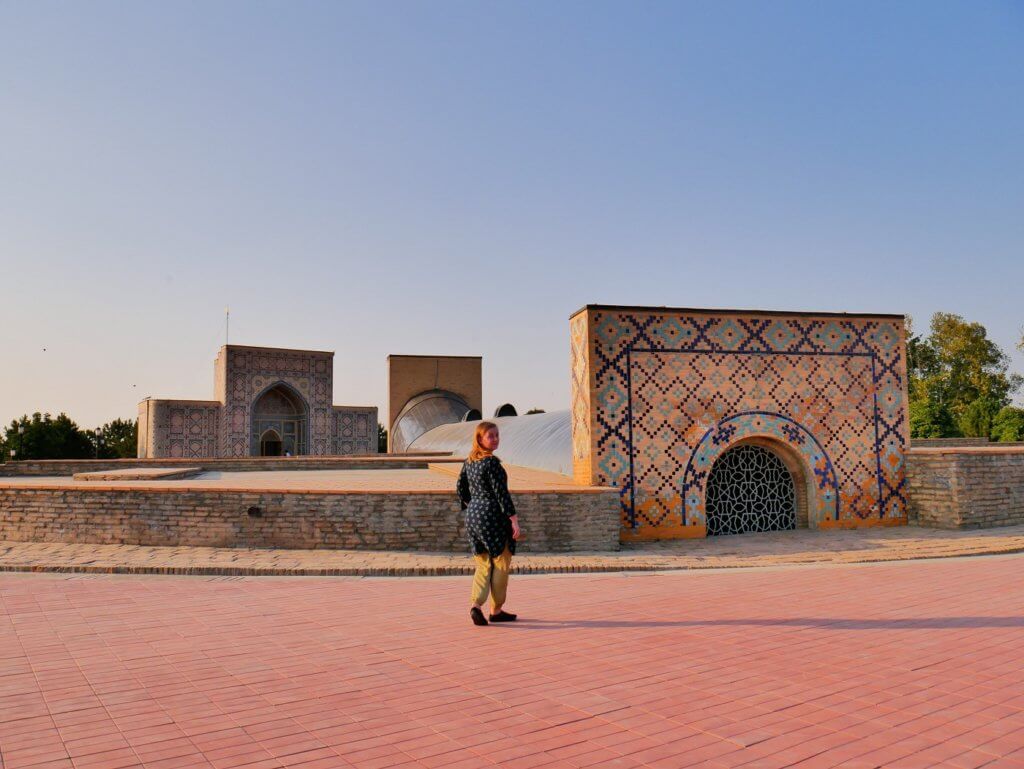
This giant arc was not the only instrument in the observatory. Many other precise instruments were constructed to measure the positions of celestial objects.
Data from Samarqand Observatory
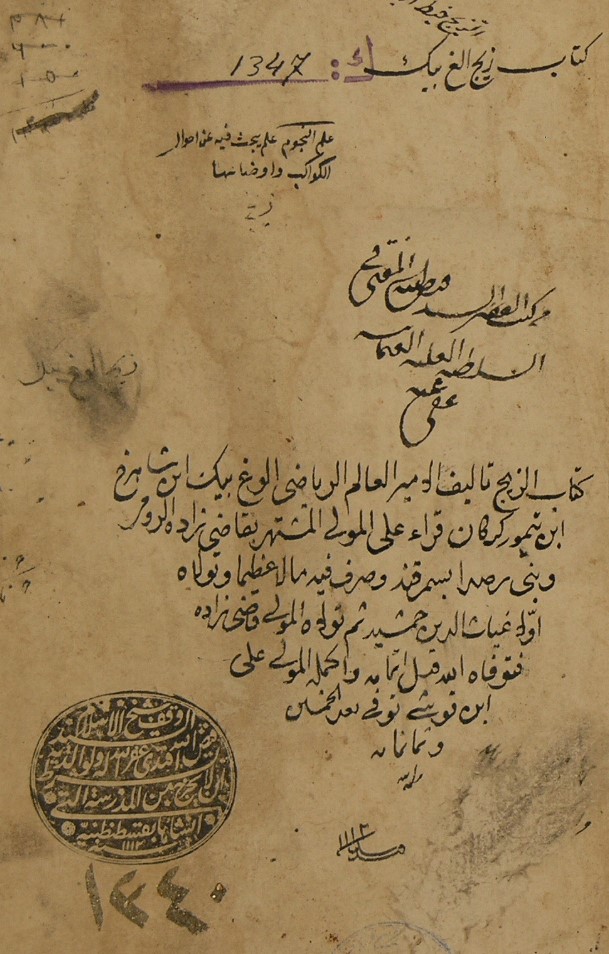
A combination of these accurate instruments and calculation techniques led to the production of the most precise astronomical data that Ulugh Beg finally presented in the form of a collection of tables under the title Zīj-i Sulṭānī (Royal tables), or
Zīj-i Ulugh Beg (Ulugh Beg’s tables).
Zīj is a title for a genre of astronomical writings that included a series of astronomical and mathematical tables, with instructions for how to use them. Some of the items typically found in Zījes are: trigonometrical tables, tables for different spherical astronomy functions, geographical coordinates of localities, planetary mean motion tables, tables of planetary equations, and tables and instructions for converting between different calendars.
This article is contributed by Sajjad Nikfahm Khubravan