History of Science in Teaching
Scientific inquiry has benefited from a variety of intellectual and cultural contributions, some of which have non-Western origins. The development of fundamental concepts, such as terminology and the modern system of numbers, illustrates this point. While historians of science recognize the importance of these contributions, scientists themselves often lack an understanding of the pluricultural origins of their disciplines. This knowledge gap can be attributed to the way scientists are trained, the curriculum they follow, and the emphasis on individual researchers and the dramatization of discovery stories. In science courses, historical accounts are often presented in a distilled and filtered form, with storytelling playing a minor role. As a result, historical knowledge is not a priority for scientists in training. This cultural paralysis is ironic, given the advances made by historians of science in recognizing non-Western contributions to science. The lack of historical awareness among scientists has far-reaching implications for how science is defined and practiced. University courses designed to train future scientists prioritize practical knowledge over historical awareness, further exacerbating the issue.
Science in Teaching
Scientific textbooks are the primary resource used in science courses, typically defining the curriculum and structure of the class. Lab manuals may also be used, but textbooks and their order of chapters serve as the basis for lectures and assignments. While the approach may not be universal across all colleges and universities worldwide, it remains the norm for science training and courses for science majors. Despite their focus on contemporary knowledge, textbooks do contain historical content. Foundational thinkers and their theories are briefly mentioned, providing an epistemological consensus with certain core messages. These messages often perpetuate ideas that science is the work of intelligent individuals who work alone and rarely interact with society. They also suggest that significant scientific progress only occurred in Europe during the 16th and 17th centuries, and that non-Western cultures made little or no contribution to premodern science. Furthermore, textbooks often downplay the important contributions made by women and non-Western researchers. While some historical material in science is important, it is usually only needed on a very selective basis, such as for foundational discoveries. Each field has its own milestone moments and individuals that contemporary scientists should be aware of.
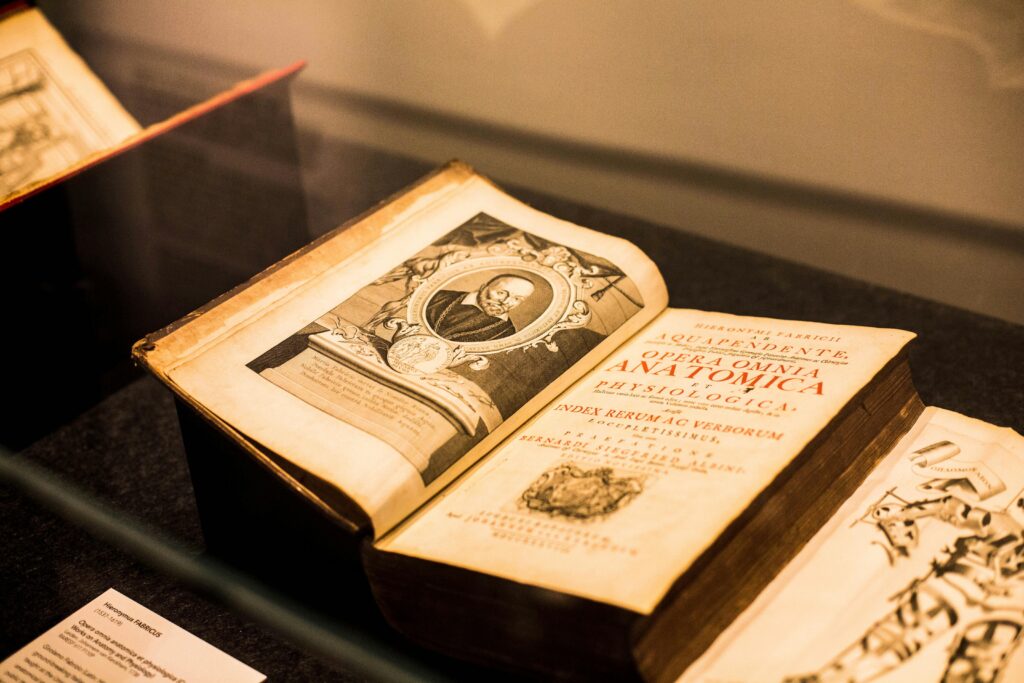
The key point of these observations is that scientists are not sufficiently trained to be aware of the pluricultural development of their disciplines over the long-term. In fact, they are often discouraged from such awareness unless their instructor chooses to emphasize it. The predominant mode of instruction, textbook-based teaching, has insulated undergraduate training from important intellectual trends in the social sciences and humanities that recognize the fundamental contributions of world cultures to the development of European science and its modern successes.
The Problem with the Established Method
The established method has led to a recurring pattern. With each new wave of science professors, armed with comparable textbooks, they pass on to their students a similar understanding of their field. As a result of this standardization, any textbook aimed at science majors that devotes significant space to premodern history and the scientific cultures of regions such as Mesopotamia, Persia, India, China, Africa, and the Americas is likely to be dismissed by conventional science publishers. A typical remark may be “that would be excessive non-scientific content for a major’s course.” In other words, incorporating such material as a vital aspect of undergraduate programs in physics, chemistry, or biology would signify a significant departure from current conventions. The current state of affairs appears to be both regrettable and restrictive. While not explicitly anti-intellectual, it has hindered efforts to eliminate long-standing biases and misunderstandings. It is undoubtedly an intellectual tragedy that scientific training often involves the deliberate exclusion of a more comprehensive and accurate history. Scientists do not need to be historians to recognize that they are part of a vast and diverse enterprise that has been evolving for millennia, and which has relied on contributions from various regions of the world, both past and present.
Note to readers: This article is a summary of the following paper: Scott L. Montgomery and Alok Kumar. “Under the Influence: History in Scientific Training, the Case of Textbooks.” Know: A Journal on the Formation of Knowledge 5/2 (Fall 2021).
For the full text of this paper click here.
This article is contributed by Sajjad Nikfahm Khubravan