What is History of Science?
The scientific method is an umbrella term for the corpus of empirical and theoretical knowledge created by a global community of researchers, using particular methodologies, for the observation and interpretation of real phenomena. These historical methods, of both intellectual and social history, are used by historians of science to describe how we discovered everything we know about the world. In other words, the history of science reveals how the world was perceived before we possessed the knowledge we do now.
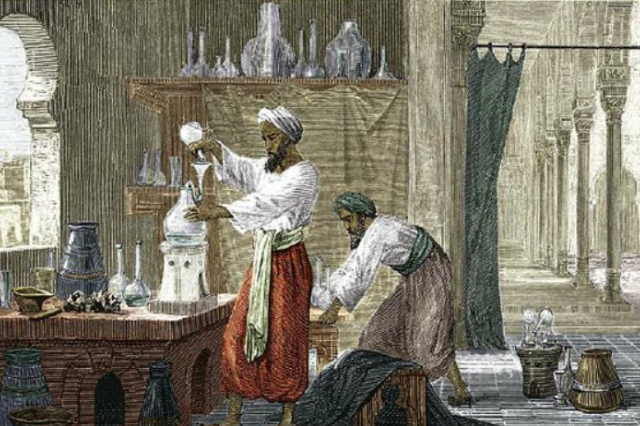
Discoveries and the History of Science
As we learn how others made discoveries, we learn new ways of thinking, which may enable us to make new discoveries of our own. It helps us to develop our general problem-solving skills and to challenge the epistemological boundaries of modern science. We learn about great men and women who challenged received wisdom and accepted norms. The history of science helps us to critique oversimplified accounts of scientific discoveries and to recognize the contribution of those who are typically left out of these accounts but who nonetheless made these discoveries possible. We contextualize scientific discoveries in the context of other historical events and understand how science is influenced by culture.
History of Science and Education
The history of science can also be applied into the education. Historical events frequently serve as useful models for how pupils might actively reconstruct ideas on their own. They demonstrate how certain conceptual resources, inquiries, and opportunities for research may lead to the emergence of particular concepts. In other words, through simulating historical events, students can learn. Students can participate in hypothetical dialogues based on historical figures. When individuals situate themselves historically to answer questions, they can gain a deeper sense of owning both the problems and the resultant solutions.
The history of science can also be used for increasing diversity, equity, and inclusion. By teaching students about the contributions that people from various cultures bring to our society, tutors can encourage them to spread the respect for diversity beyond classroom. This leads to an appreciation for the dignity of every human, which is the foundation of any flourishing community.